
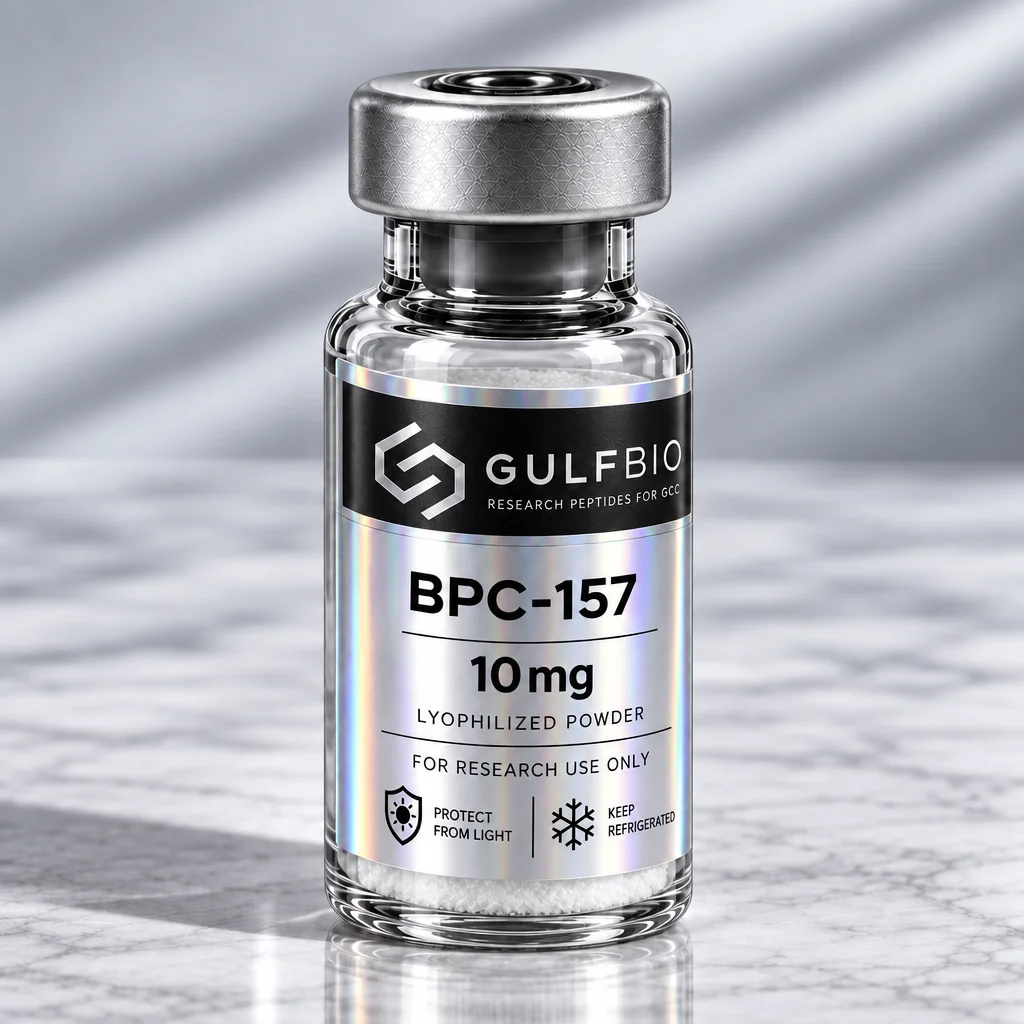
GulfBio · GB-BPC-157-10MG
BPC-157 10mg
Taxes included. Shipping calculated at checkout.
Prices are set in USD. Local-currency amounts are indicative conversions for guidance only.
Shipped in discreet, unbranded packaging — no company name or product description on the outer box.
In stock
Quantity (0 in cart)
Description
A synthetic 15-amino acid peptide fragment derived from gastric protective proteins, studied for its role in cellular repair and signaling pathways.
BPC-157, or Body Protection Compound-157, is a synthetic pentadecapeptide composed of 15 amino acids. It is a partial sequence of the body protection compound (BPC) that is found in human gastric juice. In the field of biochemical research, this peptide has garnered significant attention for its stability in harsh acidic environments and its potential role in various physiological pathways. Research conducted in laboratory settings focuses on the compound's interaction with growth factor signaling and its influence on cellular migration. As a stable peptide fragment, BPC-157 is widely utilised in in vitro and in vivo models to explore the mechanisms of tissue repair and the modulation of nitric oxide pathways. Its unique molecular structure makes it a primary subject for studies involving biological regeneration and structural integrity at a cellular level.
Product Overview
BPC-157 10mg is a high-purity synthetic peptide developed for laboratory research. This pentadecapeptide is derived from a protective protein found in the stomach and is studied for its unique biochemical stability. It is supplied as a lyophilised powder to ensure maximum stability and longevity for research applications.
Specifications
Form: Lyophilised Powder Quantity: 10mg Purity: ≥99% (HPLC validated) Storage: Store in a cool, dry place, away from direct light. For long-term stability, storage at -20°C is recommended.
Research Applications
BPC-157 is currently the subject of extensive research regarding its impact on angiogenesis, the process of new blood vessel formation. Scientific literature suggests it may interact with the Vascular Endothelial Growth Factor (VEGF) pathway. Furthermore, it is studied for its potential to influence fibroblast activity and collagen synthesis in connective tissue models. It remains a critical tool for researchers investigating the systemic response to localized cellular stress.
Certificate of Analysis
Review the batch documentation for identity and purity details.
COAs available upon request — contact GulfBio Support.
Research Use Notice
For laboratory research use only. Not for human or veterinary use.
Related items
Vials
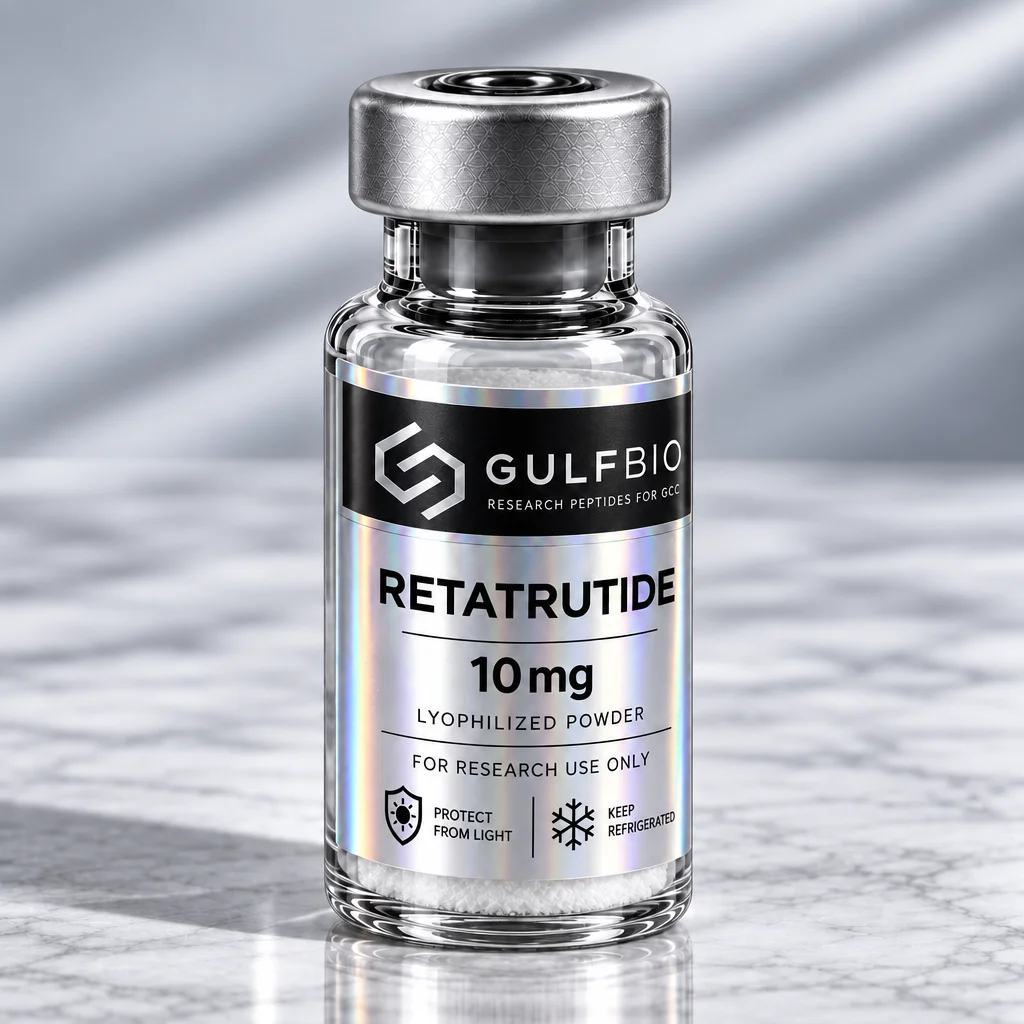
Retatrutide 10mg
A potent triple-receptor agonist (GLP-1, GIP, and Glucagon) supplied as a 10mg lyophilised powder for metabolic research applications.
Vials
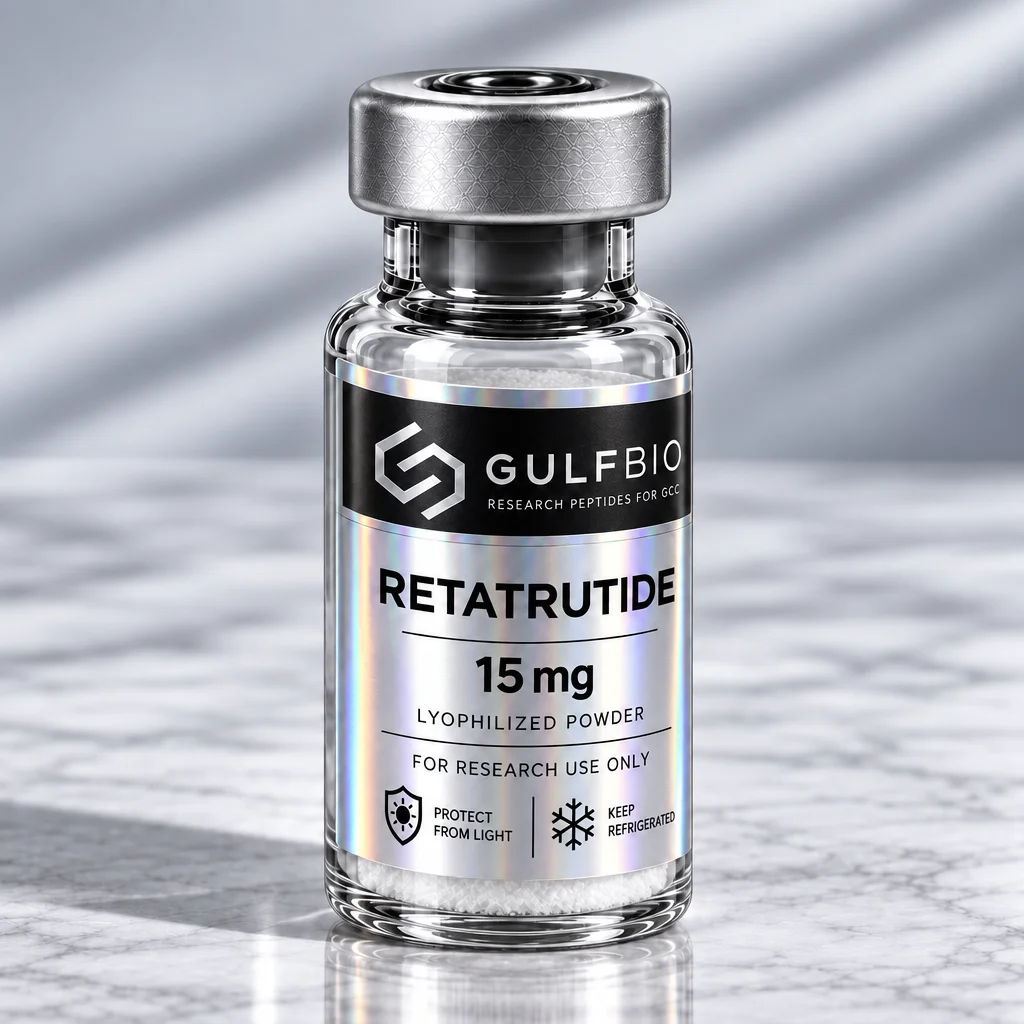
Retatrutide 15mg
A potent 15mg triple agonist peptide (GLP-1, GIP, and GCG) designed for advanced metabolic and endocrine research applications.
Vials
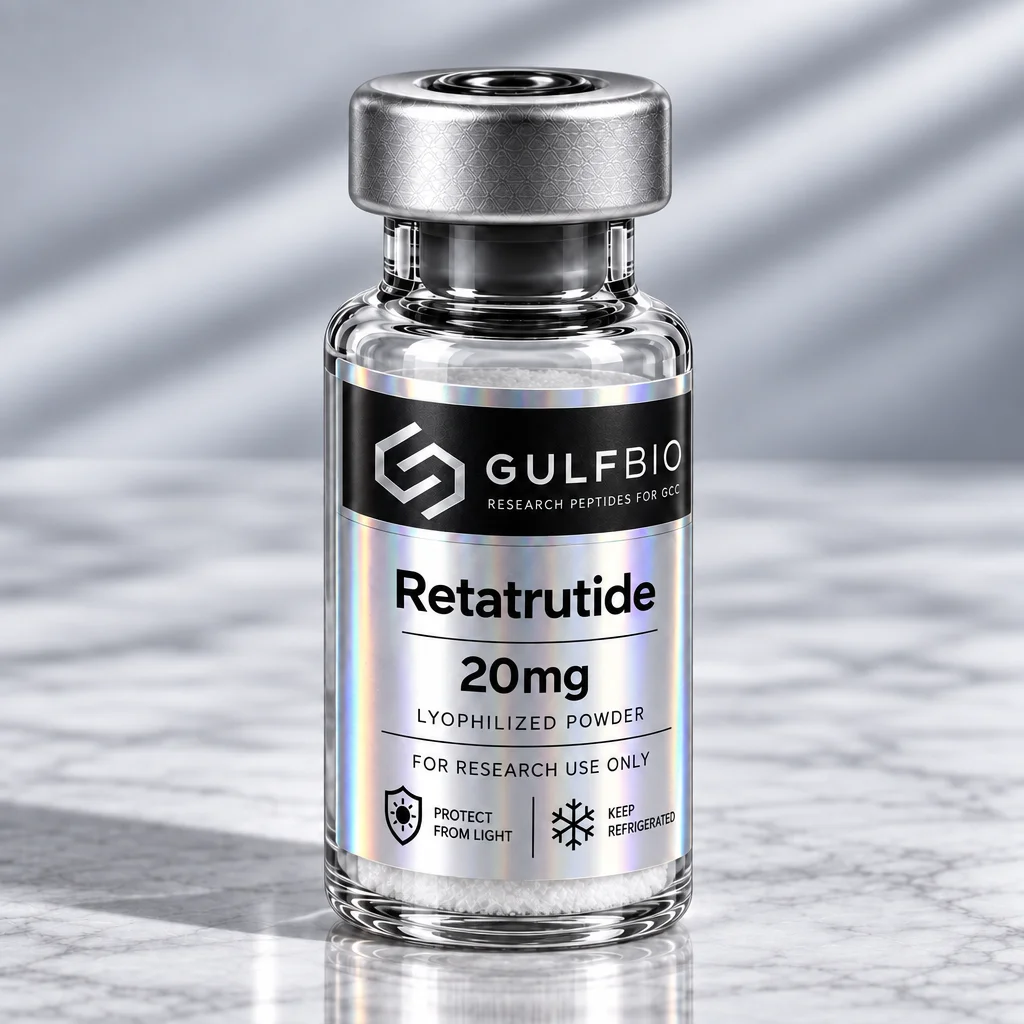
Retatrutide 20mg
A potent triple-hormone agonist (GLP-1/GIP/GCG) provided in a 20mg vial for advanced metabolic and biochemical research.